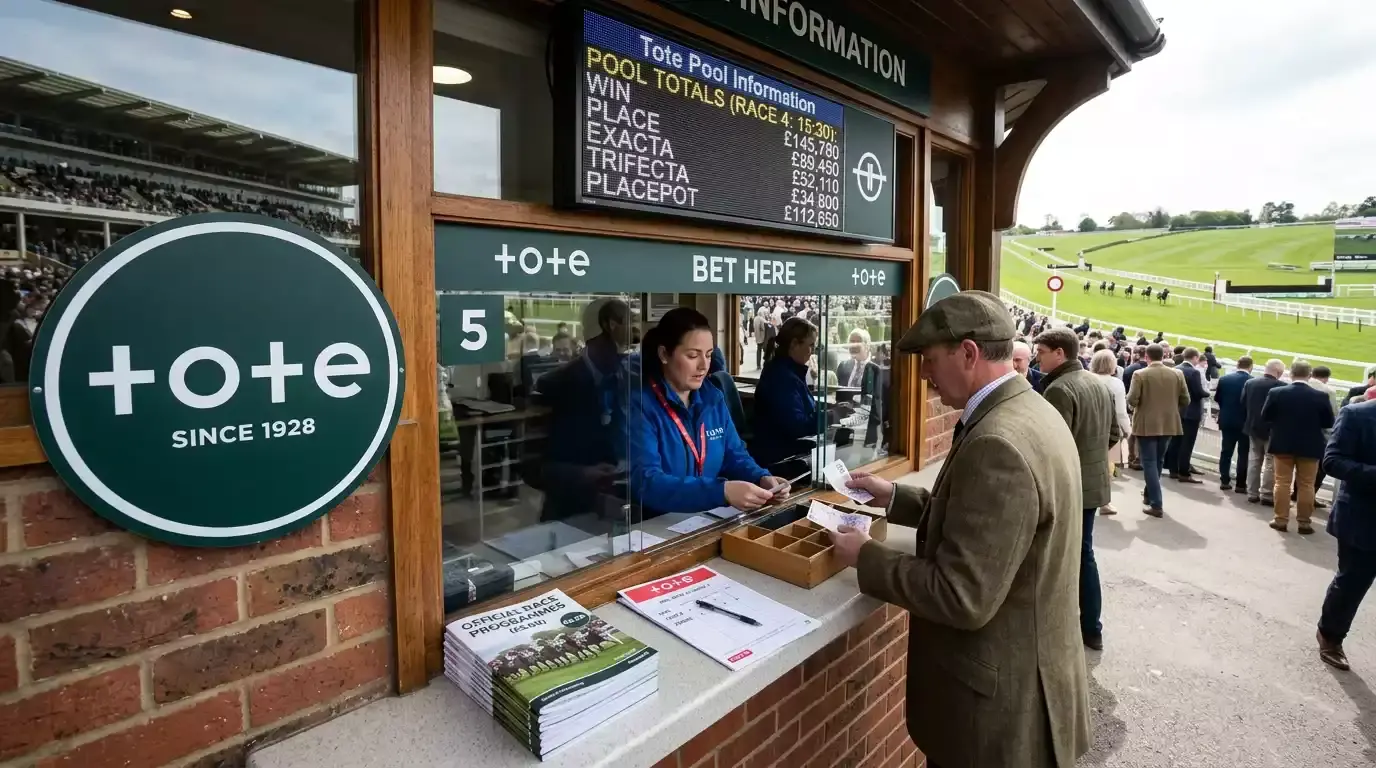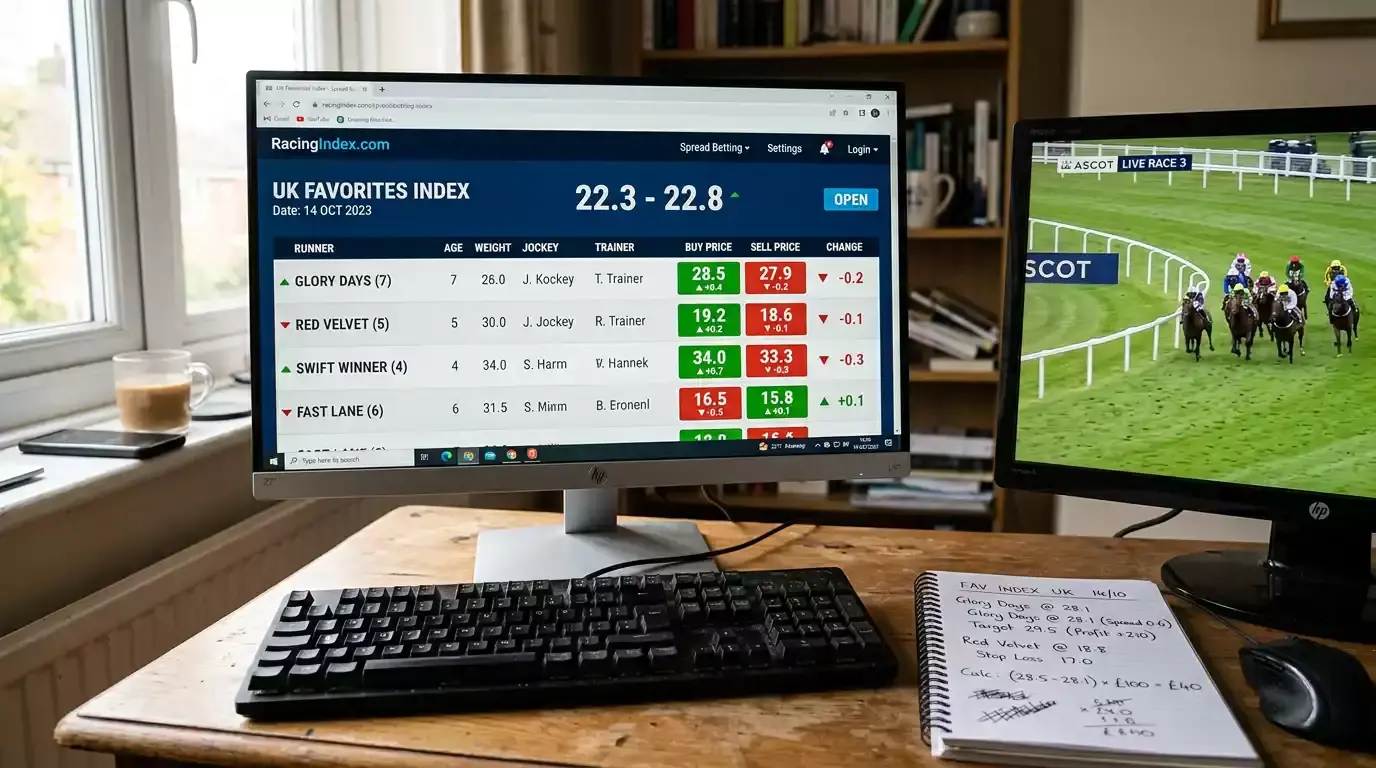


I remember the first time I watched the Cheltenham roar from a packed betting shop in south London — the noise from the television was so loud that someone two doors down came in to see what was happening. That visceral energy is precisely why the Festival dominates the ante-post market every year and why getting your approach right matters more here than at any other meeting on the calendar. The Cheltenham Festival drew a peak television audience of 1.8 million in 2025, the highest in four years, and that kind of eyeball count translates directly into market liquidity, price movement and opportunity for punters who understand the rhythms of the four-day programme.
Over the years I have settled on a framework for Cheltenham that treats the Festival not as a single betting event but as four distinct cards with their own market dynamics. The Champion Hurdle on day one behaves differently from the Gold Cup on day four. The handicaps draw different money from the championship races. And the ante-post market — where most of the serious value sits — punishes and rewards in ways that ordinary day-of-race betting simply cannot replicate. This guide breaks down the programme, the market patterns I have observed across a decade of studying the meeting, and how to time your ante-post positions for the best possible edge.
Many professional punters secure incredible value months before the festival begins by exploring the ante-post betting markets for the feature races.
Programme Structure: Analyzing Feature Races and Market Patterns
A trainer once told me that Cheltenham is not one meeting — it is four linked puzzles, and the bookmakers solve each one differently. That distinction shapes every wager I place across the week.
Tuesday, Champion Day, opens the Festival with the Supreme Novices’ Hurdle at 1:30pm and builds towards the Champion Hurdle, jump racing’s two-mile championship. This is the card where ante-post favourites tend to hold firm — the Champion Hurdle market is the most scrutinised in National Hunt racing, and by March the form book has been picked clean. Value on this day usually hides in the handicaps and the supporting races, where the market has less data to work with and bookmaker pricing is wider.
Wednesday’s Ladies Day centres on the Champion Chase, a two-mile chasing test that often produces shorter-priced winners than any other Grade 1 at the meeting. The Queen Mother Champion Chase market sets early and moves late — trainers of potential runners are less forthcoming about plans, which means price adjustments cluster in the final fortnight. The Coral Cup and Cross Country Chase on the same card are two of the best each-way handicap opportunities of the entire Festival.
Thursday’s St Patrick’s Day card features the Stayers’ Hurdle and the Ryanair Chase, two championship races that split the staying and intermediate chasing divisions. This is the day I have historically found the most value at bigger prices. The Stayers’ Hurdle field is often large and the form slightly less exposed than in the Champion Hurdle, which means the market takes longer to settle. Thursday also hosts the Pertemps Final, a handicap hurdle with runners who have qualified through the season — a unique angle that rewards punters who have tracked the qualifying races.
Gold Cup Friday is the main event. The Cheltenham Gold Cup is the most bet-upon race of the week, and the market reflects that — overrounds tighten, and finding raw value in the outright market is harder. The supporting card, though, includes the Triumph Hurdle and the Martin Pipe Conditional, both of which tend to produce longer-priced results and where intelligent each-way play can outperform. I usually allocate around 40% of my Cheltenham budget to the first three days and hold the remaining 60% for Gold Cup day and the supporting handicaps, adjusting as results unfold.
Market Patterns: Where Odds Move Most Before the Festival
The biggest price collapse I ever saw at Cheltenham was a novice hurdler who went from 25/1 in November to 3/1 by the morning of the Supreme. I had backed it at 20/1 — not because I am especially clever, but because I understood when and why Cheltenham markets move.
The first major wave of market movement happens in late November and early December, after the early-season trials at venues like Ascot, Newbury and Down Royal. Trial results confirm or deny the ante-post narrative, and prices react sharply. A horse who wins the Fighting Fifth Hurdle at Newcastle in late November, for instance, will see its Champion Hurdle price halve within hours. The lesson is straightforward: if you fancy a horse for Cheltenham, take the price before its next public run. If it wins, you have locked in value. If it loses, you reassess — but you have bought at a moment of maximum uncertainty, which is where the best odds sit.
The second wave comes in January and February with the championship trials — the Cleeve Hurdle, the Cotswold Chase, the Kingmaker at Warwick. These races are designed as final preps, and runners who perform well here see their Cheltenham odds contract further. However, this is also where the market can overreact. A horse who finishes second in a trial may drift from 8/1 to 14/1, yet still arrive at Cheltenham with the same chance it had before. Richard Wayman, the BHA’s Director of Racing, noted that major meetings performed strongly in 2025 — a pattern that holds for the betting market too, where headline results at trials move more money than the performance warrants.
The third wave is in the final week, when final declarations are made and the weather forecast solidifies. Going conditions at Prestbury Park shift the entire Gold Cup market. A heavy forecast brings the staying types into play; good ground suits the speed-reliant contenders. I watch the Met Office five-day forecast as closely as I watch the trial results, because at that stage the form is set and only the ground can change the equation. It is also worth noting that the total attendance at British racecourses reached 5.031 million in 2025 — with Cheltenham accounting for a disproportionate share — and that footfall feeds into on-course market formation, which in turn influences the Starting Price.
Stay ahead of the oddsmakers during the biggest week in jump racing with insights from our leading horse racing betting guide.
Ante-Post Betting at Cheltenham: Timing and Risk
Three years ago I backed a horse for the Stayers’ Hurdle in October at 33/1. It ran twice between then and March, both times finishing midfield, and the price drifted out to 50/1. By the time it won the race at 28/1 SP, I had already cashed out half the position and let the rest ride. That sequence — early price, patience, partial risk management — is my entire ante-post betting philosophy for Cheltenham in miniature.
Ante-post markets for the Festival open in earnest the previous summer, with bookmakers pricing up the major races twelve months out. At that point, the odds reflect reputation and prior form rather than current-season evidence, and the margin for error in the bookmaker’s pricing is at its widest. I rarely back at those extreme distances unless the price is so large that the non-runner risk is absorbed by the expected value, but I do start monitoring the market from that point onward.
The critical window, in my experience, is between late November and mid-January. By then, the first round of trials has delivered data, the initial market wave has passed, and the second wave has not yet started. Prices at this stage reflect genuine information but still carry a risk premium for injury and non-participation. You are being paid for uncertainty, and that is the essence of value betting.
The risk, of course, is real. Ante-post bets are non-runner no refund in most cases, and Cheltenham fields are not finalised until close to race week. A horse who picks up a setback in February costs you your entire stake. I manage this by spreading stakes across multiple races rather than loading up on one selection, and by limiting any single ante-post bet to no more than 2% of my Cheltenham budget. The Festival is a four-day event with 28 races — the opportunity set is large enough to absorb individual losses without derailing the week.
One more tactical point: non-runner deductions at the day-of-race stage can erode the value of late bets. If you are considering a selection in the final week, compare the ante-post price (with its non-runner risk) to the likely day-of-race price net of any Rule 4 deductions. Sometimes the ante-post price still wins; sometimes it is better to wait. That calculation is the difference between punting and investing.