
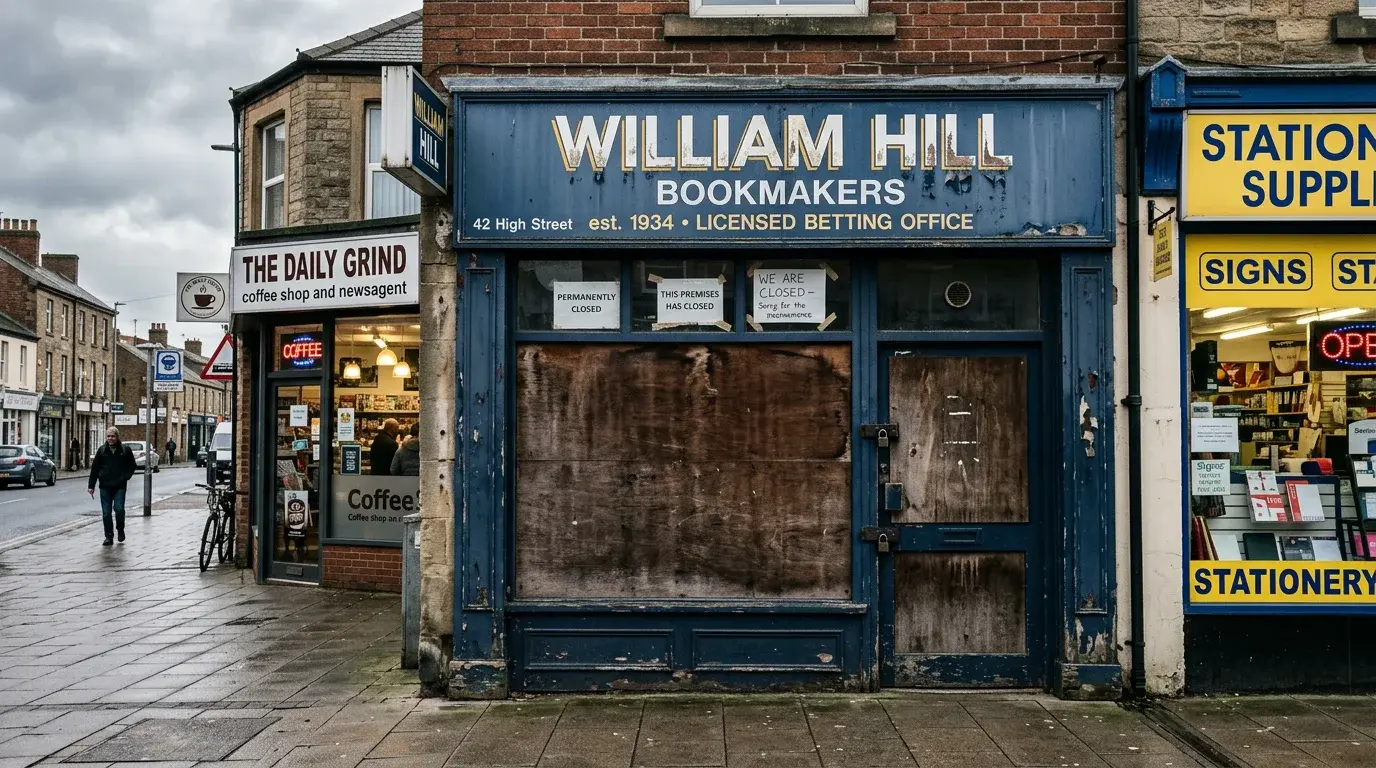
Britain now has 5,825 licensed betting shops — a decline of 36% over the past decade. At their peak, there were over 9,000. The closures have been relentless, concentrated first in high streets that were already struggling and then spreading to town centres and suburbs where a betting shop had been a fixture for generations. If you grew up going to the bookies on a Saturday afternoon to watch the racing, the landscape has changed beyond recognition.
The decline is not a mystery, and it is not reversible. It is the product of three forces acting simultaneously: the fixed-odds betting terminal clampdown, the migration of betting online, and a regulatory environment that has made physical shops progressively less viable for operators. What is worth examining is what has been lost in this transition — not just for the industry, but for the betting experience itself.
Retail Contraction: Analyzing a Decade of Betting Shop Closures
The timeline tells the story. In 2014, Britain had approximately 9,100 licensed betting offices. By 2019, the number had fallen to around 8,000 following the initial wave of consolidation as operators merged and rationalised their estates. Then the FOBT stake reduction hit in April 2019, and the closures accelerated dramatically. By 2022, the number was below 7,000. Today it sits at 5,825, and the trajectory suggests it will fall further before stabilising.
The closures have not been evenly distributed. Independent bookmakers — the small chains and single-shop operators that served local communities — have been hit hardest because they lack the scale to absorb regulatory costs and the digital infrastructure to offer online alternatives. The major operators — the largest high-street names — have the resources to close unprofitable shops strategically while driving customers to their apps and websites. The result is a market that looks increasingly like two industries: a thriving online sector generating £7.8 billion in gross gaming yield annually, and a shrinking retail sector that survives primarily through inertia and the loyalty of customers who prefer the shop experience.
Each closure removes a touchpoint from the high street. A betting shop was never just a place to bet — it was a social venue, a gathering point, a place where retired men spent afternoons watching racing and younger punters learned the craft from more experienced ones. The loss is cultural as much as commercial, and it is felt most in the communities where alternative leisure options are already scarce.
What Drove the Closures: FOBTs, Online Migration and Regulation
Fixed-odds betting terminals were the revenue engine of the betting shop. Each shop was allowed four terminals, and these machines — offering roulette, slots, and other casino-style games at stakes up to £100 per spin — generated a disproportionate share of shop profits. For some operators, FOBT revenue exceeded over-the-counter betting revenue from horse racing and other sports combined.
In April 2019, the maximum stake on FOBTs was reduced from £100 to £2. The impact was immediate and devastating. Overnight, the machines that had subsidised the rest of the shop’s operation became marginal revenue generators. Operators that had built their shop estate around FOBT income suddenly found that many shops were no longer profitable on betting margin alone. The closures followed within months.
Online migration was already underway before the FOBT cut, but it accelerated afterwards. As former Jockey Club CEO Nevin Truesdale observed, the Gambling Commission seems to want to reduce gambling to just small-stakes gamblers, and that cannot be right. His concern was not about the FOBT cut specifically but about the broader direction of regulation that was making traditional betting less accessible and less enjoyable for the mid-stakes punter who was the betting shop’s core customer. That customer has largely moved online, where the product is more convenient, the odds are often better, and the regulatory friction is — for now — slightly lower.
The economics of running a physical shop have also deteriorated independently. Business rates on high-street premises are substantial, staffing costs have risen, and the operational overhead of maintaining a licensed premises — security, compliance, responsible gambling training — adds up. When the majority of your customers can get a better product on their phone, the case for maintaining an expensive physical presence weakens every year.
What Betting Shops Still Offer That Apps Cannot
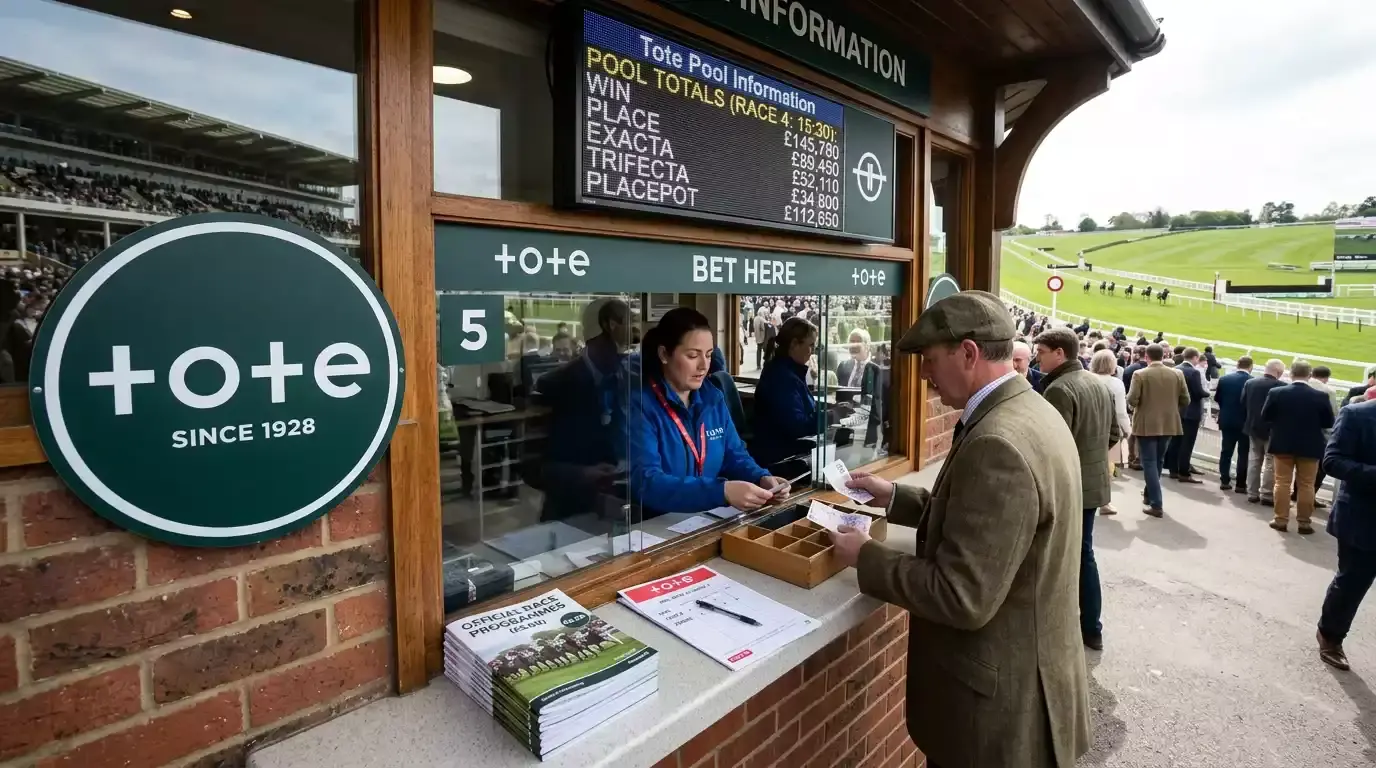
Despite everything, betting shops retain advantages that no app can replicate. The most obvious is immediacy with cash. You walk in, hand over cash, receive a paper slip, and if you win, you collect cash. No bank transfers, no verification delays, no digital trail. For some bettors — particularly older customers, those without bank accounts, or those who simply prefer the tangibility of cash betting — this remains the primary way to bet.
The social dimension is harder to quantify but equally real. A betting shop on a Saturday afternoon, screens showing racing from three meetings simultaneously, a handful of regulars debating form over cups of tea — that is a community in miniature. The banter, the shared excitement of a close finish, the collective groan when the favourite gets beaten — these are experiences that solo betting on your phone cannot reproduce. For regular customers, the shop is as much a social club as a transactional venue.
There are also practical betting advantages. Self-exclusion through GamStop does not cover betting shops — only online operators. For punters who have excluded themselves from online betting but still want to bet occasionally on a Saturday, the shop remains an option (though MOSES, the shop-based self-exclusion scheme, exists for those who want to exclude from physical premises too). The ability to bet anonymously with cash, without the account-based tracking that characterises online betting, appeals to punters who value privacy.
The question is whether these advantages are enough to sustain a viable shop estate as the customer base ages out and younger bettors — for whom a betting shop is as alien as a phone box — never develop the habit. The answer, based on the current trajectory of the market, is that shops will continue to decline in number but will not disappear entirely. A smaller, more concentrated network of shops in high-footfall locations will survive as a complement to the online market, serving customers who prefer physical betting and providing a visible high-street presence for the major operators.