
A 522% increase. That is how much unique traffic to unlicensed betting websites grew between August 2021 and September 2024, while traffic to licensed sites rose by just 49% over the same period. Those figures, drawn from the International Federation of Horseracing Authorities and the BHA, describe a migration that is reshaping UK betting in ways the regulated industry is struggling to contain. I have spent the past two years tracking this trend, speaking to punters who have moved offshore and examining the data from industry bodies, and the picture is both clearer and more troubling than most casual observers realise.
Unlicensed Betting Volume: Analyzing Traffic Growth and Risks
Quantifying an underground market is inherently difficult, but the estimates from credible sources are striking enough to treat seriously. The Betting and Gaming Council estimates that 1.5 million UK residents spend up to 4.3 billion pounds annually with unregulated operators. That figure represents money that generates no tax revenue, pays no betting levy to fund horse racing, and operates entirely outside the consumer protections that the Gambling Commission was established to enforce.
John Gosden, champion trainer, has put an even higher number on the problem, arguing that affordability checks have already forced around four to five billion pounds’ worth of betting on racing to the black market — a market where the punter has no protection and the government receives no revenue. Whether the precise figure is four billion or five billion matters less than the direction: the movement is away from licensed operators and towards unregulated alternatives, and it is accelerating.
The traffic data is perhaps the most objective measure available. A 522% increase in unique visitors to unlicensed sites in three years is not a gradual shift — it is a structural change in behaviour. The timing aligns almost exactly with the tightening of affordability checks and the introduction of lower deposit thresholds, which suggests a direct causal relationship. Punters who face friction at licensed operators are not simply stopping gambling. They are finding other places to do it.
Why Punters Move to Unlicensed Operators
I spoke to a punter last year who had been a loyal customer of two major licensed bookmakers for over a decade. His account was flagged for an affordability review after he deposited heavily during Cheltenham week. When he was asked to provide bank statements and payslips, he refused — not because he could not afford his bets, but because he considered the request an invasion of privacy. Within a week he had found an offshore operator that asked for nothing beyond an email address and a cryptocurrency wallet. His money, his data and his betting activity left the regulated market entirely.
That story is not unusual. The Racing Post’s Big Punting Survey found that 61% of punters refuse to hand over financial documents when asked. Among those who refuse, a quarter have considered switching to unlicensed sites, and nearly 12% say they have already done so. The pattern is consistent: friction at the regulated end pushes volume to the unregulated end.
Vaughan Lewis, who served as Chief Strategy Officer at Evoke, the parent company of William Hill, summed it up: if the industry were to design a scenario that made the black market more attractive, he would struggle to come up with much more than what has already been done. That is a remarkable statement from someone who spent years inside one of the largest regulated operators in the world.
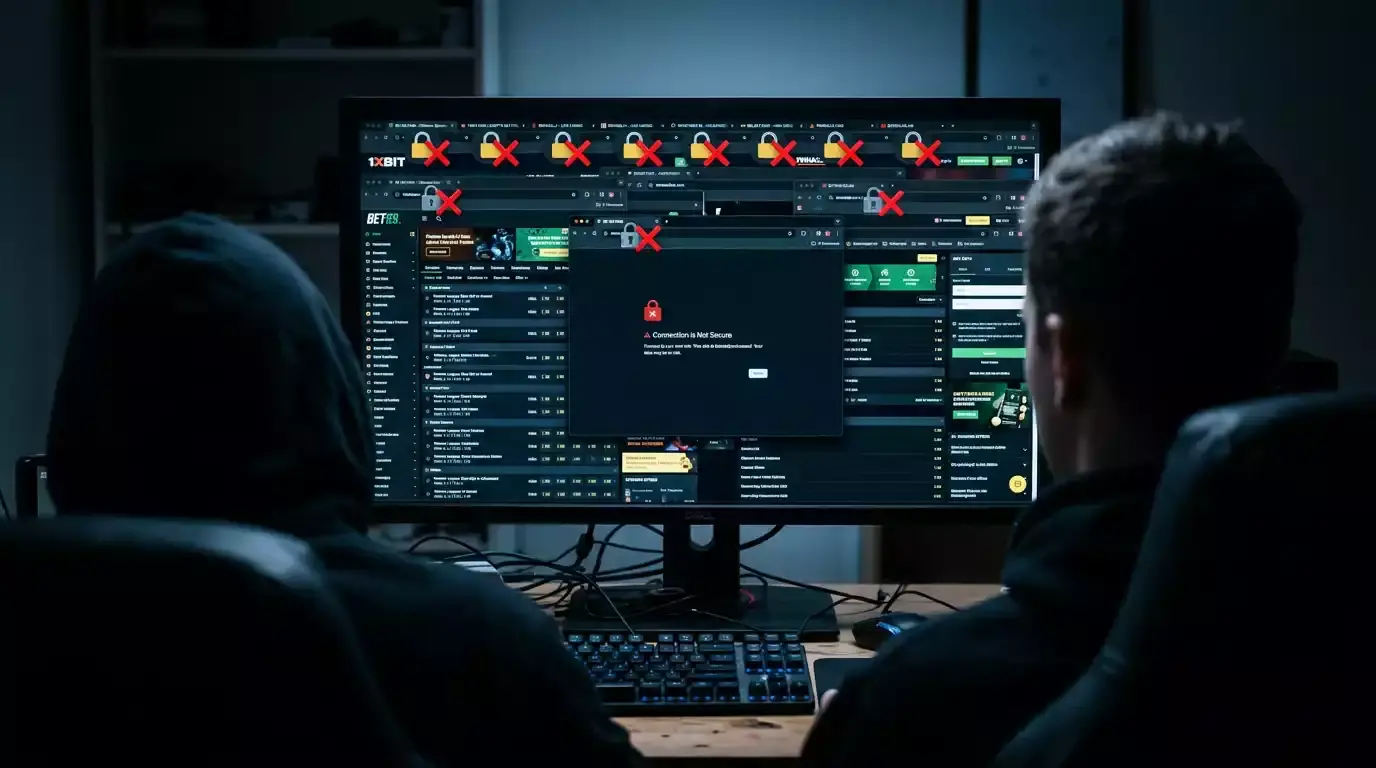
The appeal of unlicensed sites is straightforward: no affordability checks, no document requests, no stake limits, and in many cases, higher odds because the operator is not paying 15% betting duty or contributing to the levy. For a punter whose primary concern is placing bets without interference, the unlicensed market offers everything the regulated market has progressively removed.
Risks of Using Unlicensed Betting Sites
Listing the risks is essential, and I am going to be direct about them because the consequences are real and severe.
There is no fund protection. If an unlicensed operator decides not to pay out a winning bet, you have no recourse. There is no alternative dispute resolution service, no Gambling Commission complaint procedure, no industry ombudsman. Your money is held in whatever jurisdiction the operator chooses, under whatever terms they impose, and if they close the site tomorrow your balance vanishes with it. I have documented cases of punters losing five-figure sums to offshore operators who simply stopped responding to withdrawal requests.
There is no data protection. Unlicensed operators are not bound by the UK’s data protection laws. The personal and financial information you provide — email, payment details, identification documents if requested — can be stored, sold or compromised without legal consequence. Cryptocurrency payments offer some anonymity, but they also offer no chargeback mechanism if something goes wrong.
There are no responsible gambling tools. No deposit limits, no cooling-off periods, no self-exclusion through GamStop. If you develop a problem, the operator has no obligation to intervene — and no incentive to do so, because every bet you place generates revenue without the regulatory overhead that licensed operators bear.
There is also legal exposure for the punter. While the Gambling Act 2005 primarily targets the supply side — operating without a licence is a criminal offence — using an unlicensed site places you in a legal grey area that offers no consumer protection if something goes wrong. You are effectively operating outside the law’s protective framework, and the courts have no mechanism to help you recover losses from an entity that does not legally exist in the UK.
None of this means that punters who use unlicensed sites are reckless or uninformed. Many have made a deliberate calculation that the risks of the black market are outweighed by the frustrations of the regulated one. That calculation is theirs to make, but it should be made with full knowledge of what is at stake.