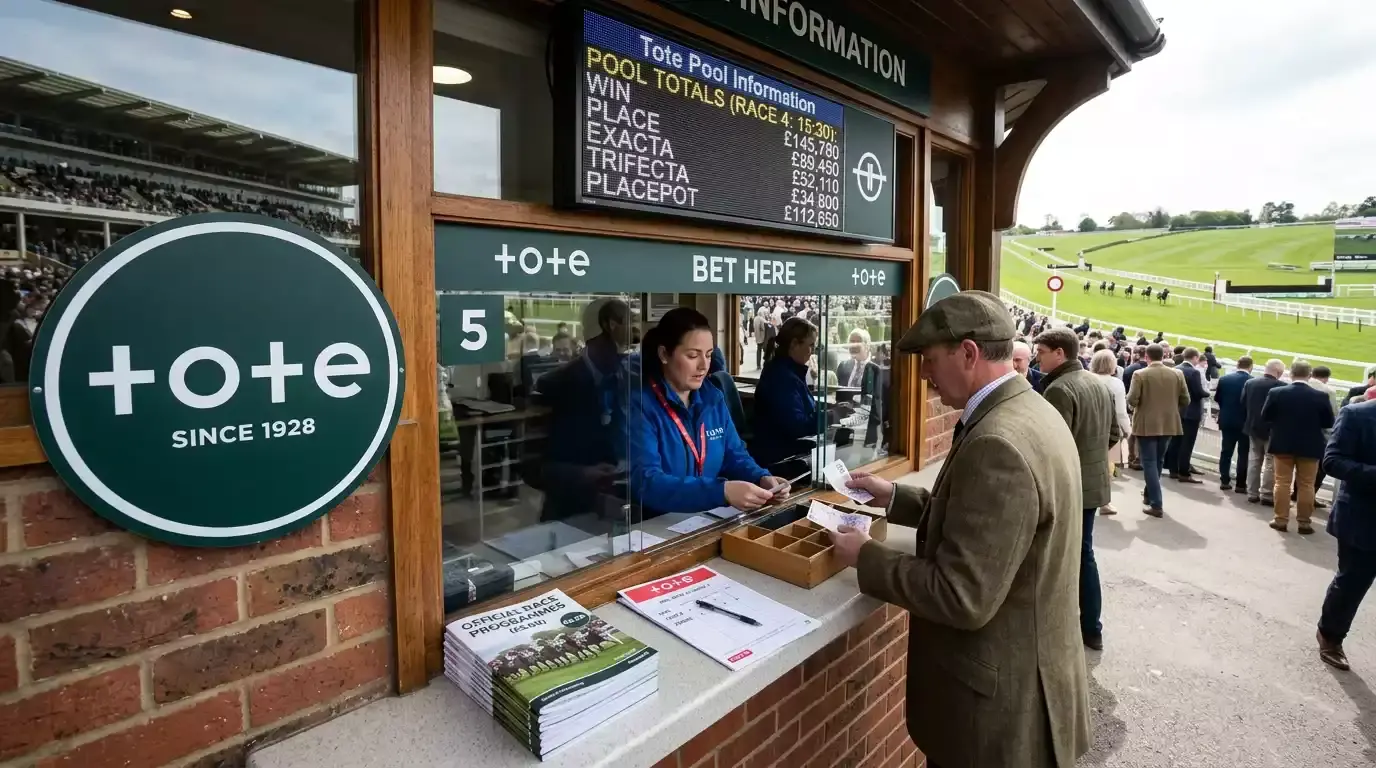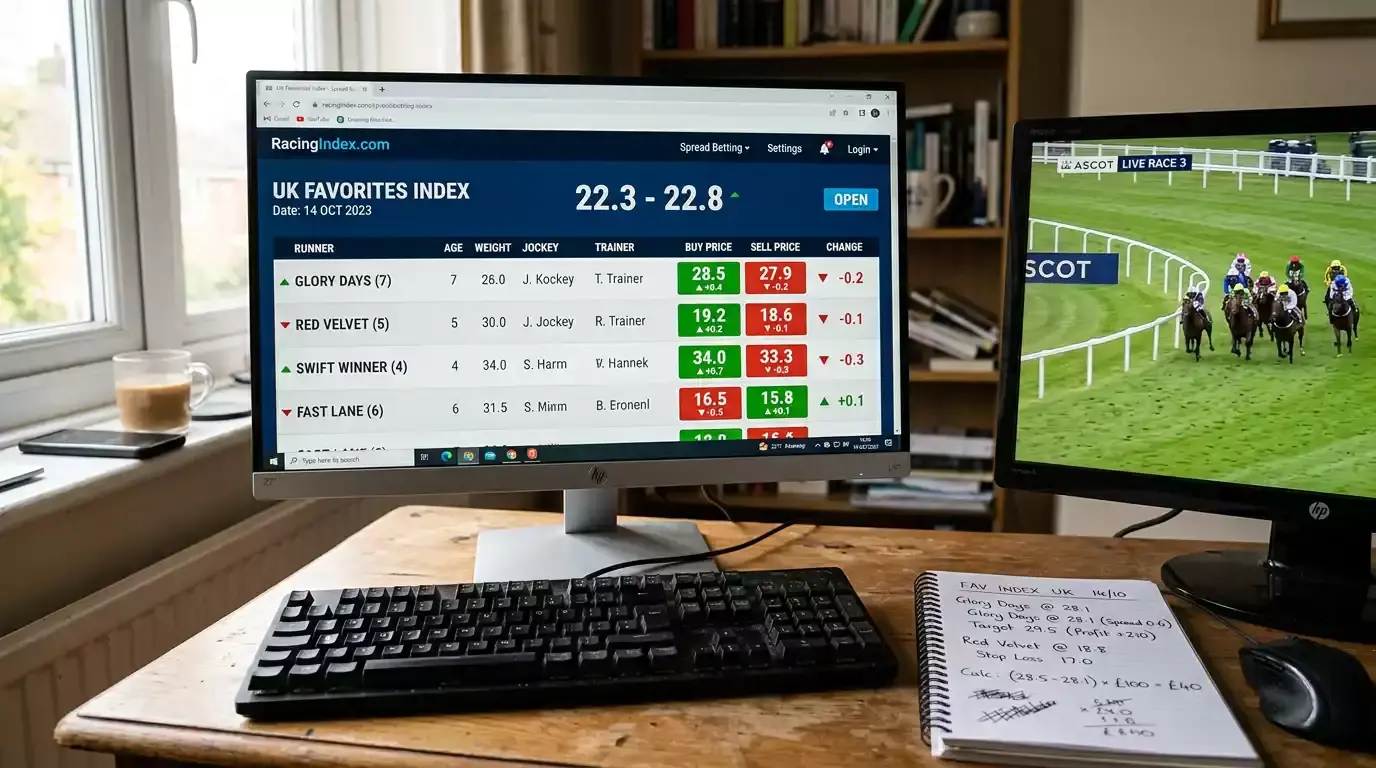

One of the questions I get asked more than almost any other is whether you need to pay tax on horse racing winnings in the UK. The answer is no — not a penny, not on any amount, not ever. Whether you back a 50/1 winner at Cheltenham and collect five figures or grind out modest profits across hundreds of small-stakes bets, HMRC has no interest in your returns. This has been the case since the abolition of on-course betting duty in 2001, and nothing in the current tax framework changes it.
What most punters do not realise is that the tax burden did not disappear — it shifted. Betting duty used to sit at 9% on the stake or the winnings, paid directly by the punter. Gordon Brown’s government scrapped that in favour of a 15% Gross Profits Tax on operators, which has since evolved into the current structure where General Betting Duty sits at 15% and Remote Gaming Duty is scheduled to nearly double from 21% to 40% from April 2026. The punter sees none of this on the bet slip, but it shapes the odds you are offered, the margins bookmakers operate on, and the broader health of the racing industry that sustains the betting product.
Punter Exemption: Why Your Racing Winnings Remain Tax-Free
The legal position is unambiguous: gambling winnings are not classified as income under UK tax law. HMRC treats betting as a recreational activity, not a profession, and therefore the profits from it fall outside the scope of income tax, capital gains tax, and National Insurance. This applies whether you bet once a year on the Grand National or treat horse racing as a daily pursuit with detailed spreadsheets and staking plans.
The exemption exists for a practical reason as much as a philosophical one. Taxing gambling winnings would logically require allowing tax relief on gambling losses, which would create an administrative nightmare for HMRC and potentially encourage loss-chasing as a tax-reduction strategy. By placing the entire tax obligation on the operator — who has clear, auditable revenue streams — the government collects reliably without needing to monitor millions of individual punters.
There is a narrow exception that occasionally creates confusion: professional gamblers who are operating as a business. In theory, if HMRC determined that someone was trading in betting markets — treating it as a commercial enterprise with the same structure as a financial trading operation — those profits could be taxable. In practice, this almost never happens. The legal precedent, established in the Graham v Green case of 1925 and reinforced since, holds that gambling is inherently speculative and does not constitute trade. Even full-time, profitable punters have consistently been found to be non-taxable by the courts.
How Betting Duty and Remote Gaming Duty Work for Operators
While punters pay nothing, bookmakers pay heavily. The two taxes that matter are General Betting Duty (GBD), which applies to traditional betting at 15% of gross profits, and Remote Gaming Duty (RGD), which covers online and mobile betting. The distinction between these two has become increasingly important as the industry has migrated online, with remote horse racing betting alone generating £766.7 million in gross gaming yield in the most recent reporting period.
GBD at 15% has been stable for years and applies to bets placed in licensed betting shops or on-course. It is calculated on gross profits — stakes received minus winnings paid out — so a bookmaker who takes £1 million in stakes and pays £900,000 in winnings owes 15% on the £100,000 difference. The rate is manageable for operators with healthy margins, but it compresses profitability on low-margin products like horse racing, where the overround is slimmer than on slots or virtual games.
RGD is where the dramatic change is coming. Currently set at 21%, it applies to all online gambling profits generated from UK customers. From April 2026, RGD rises to 40% — nearly doubling the tax burden on every online bet. Horse racing was specifically exempted from the original 2025 budget tax increase, which initially targeted only slots and gaming, but the 2026 increase catches racing within the broader RGD net. The impact on operator margins is severe: an online bookmaker making £10 million in gross profit from horse racing will see its tax bill jump from £2.1 million to £4 million overnight.
The knock-on effects for punters are indirect but real. Operators absorb higher taxes by widening margins — offering slightly worse odds, reducing best-price guarantees, or trimming promotional spending. You will not see a line item on your bet slip, but the value available in the market contracts when operator costs rise.
The 2026 Remote Gaming Duty Increase and What It Means for Racing
The scheduled RGD increase from 21% to 40% has dominated industry discussion for months, and with good reason. It represents the largest single tax increase on UK gambling since the framework was created, and its effects on horse racing are expected to be disproportionate. Racing generates lower margins for operators than casino games or slots, meaning the same percentage tax increase takes a bigger bite out of the profit available to reinvest in the sport.
The concern within the industry is that higher operator taxes will reduce the amount of money flowing back into racing through the betting levy and voluntary contributions. If bookmakers’ gross profits shrink, the levy — calculated as a percentage of those profits — shrinks too. The Horserace Betting Levy Board collected a record £109 million in 2024-25, but that figure was built on a 21% RGD rate. Modelling the same revenue at 40% RGD suggests a meaningful reduction in levy income, which directly funds prize money, racecourse improvements, and horse welfare.
As BHA Chief Executive Julie Harrington put it, no other form of leisure activity faces the kind of restrictions being proposed by the Government, and it is right that MPs have the chance to debate the issue in detail. The argument from racing’s governing bodies is that horse racing contributes significantly to the rural economy, supports tens of thousands of jobs, and generates tax revenue through employment, tourism, and media rights — all of which are threatened if the betting ecosystem that underpins them is taxed into contraction.
For punters, the practical question is whether the tax increase will noticeably change the odds available on horse racing markets. The honest answer is probably yes, but gradually. Bookmakers will not slash their odds overnight, but the competitive pressure that drives best-price markets and promotional offers will ease as margins tighten. The era of generous each-way terms, enhanced odds, and extra places may not end, but it is likely to become less generous. Understanding how the tax structure feeds into the prices you are offered connects the policy debate to the levy system that funds racing and, ultimately, to the value in your next bet.