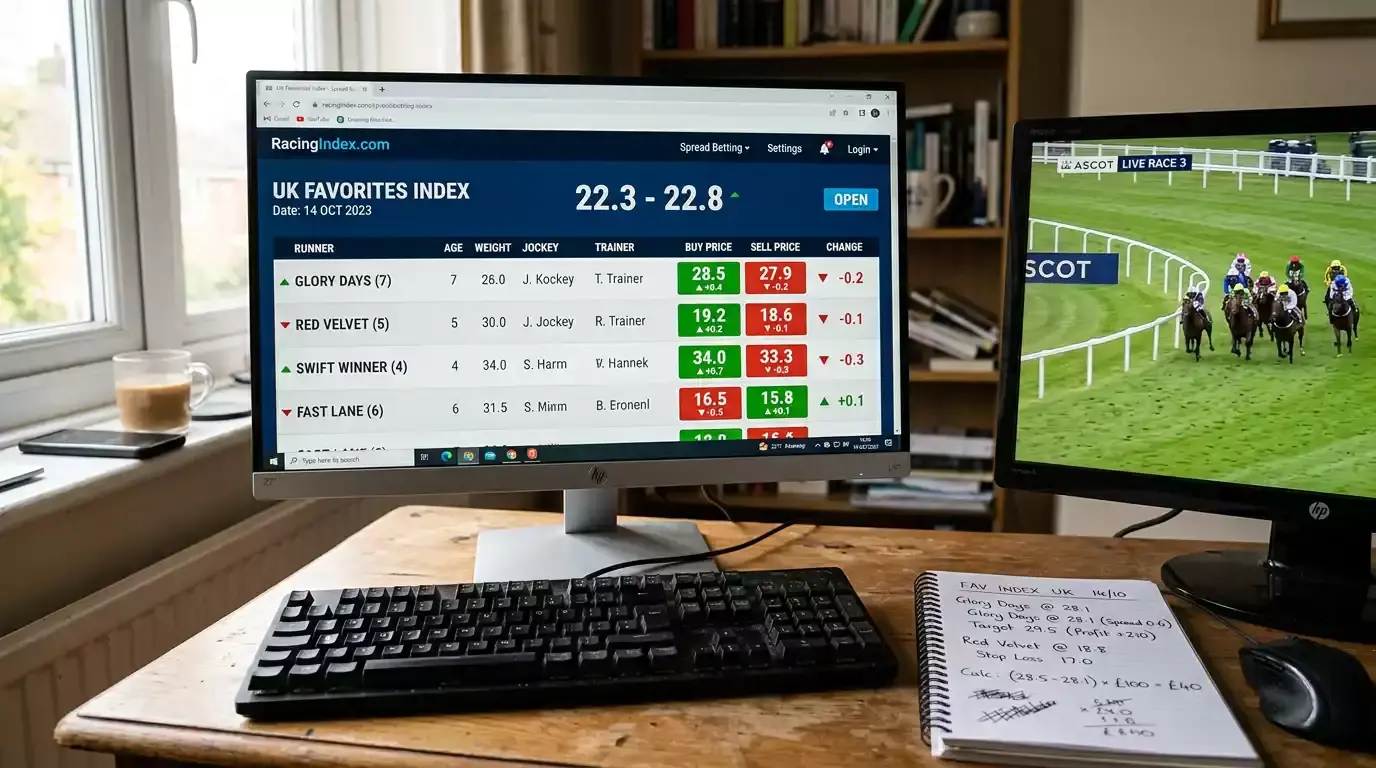

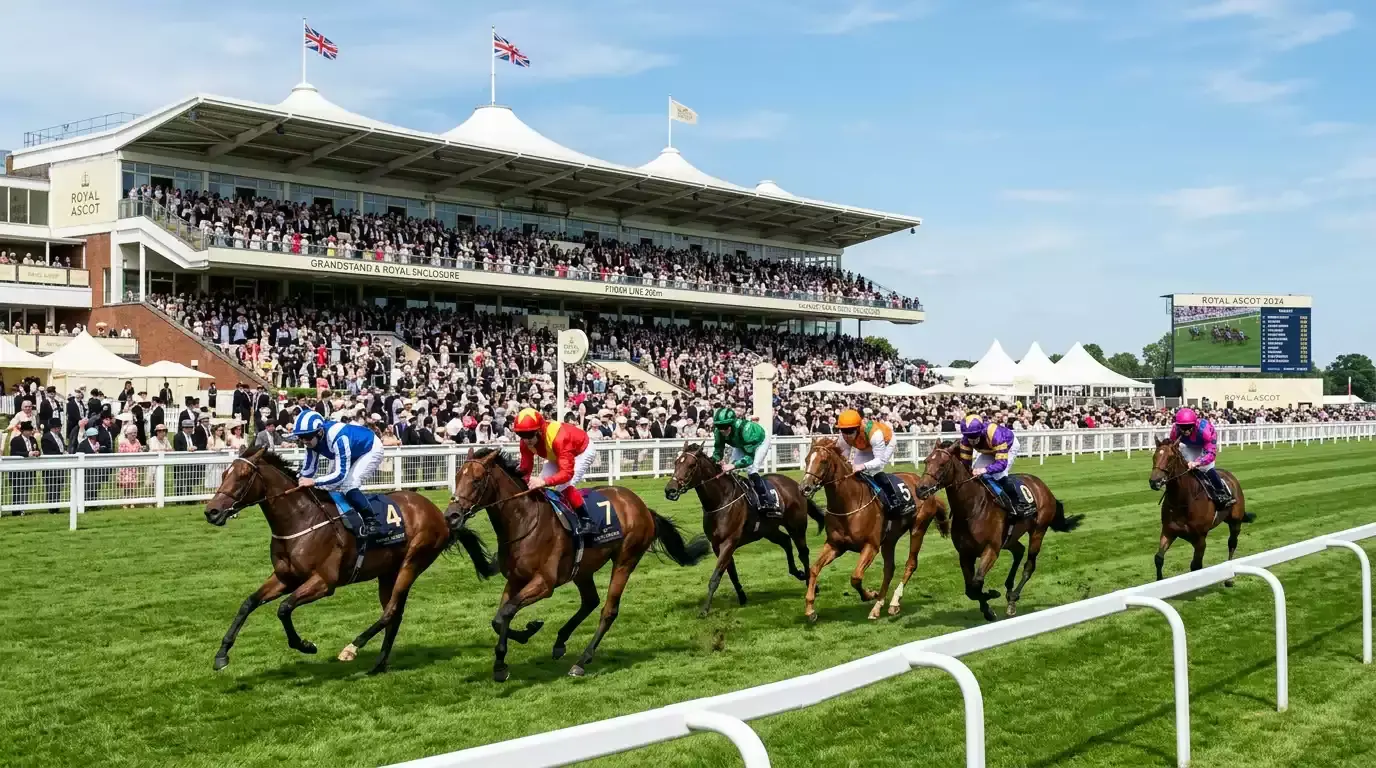
Royal Ascot drew five million viewers across its five-day broadcast in 2025, with the final day alone up 20% on the year before. Those numbers make it the most-watched flat racing event in Britain — and one of the most heavily bet. I have attended Royal Ascot eleven times now, and every year I am struck by the same thing: the quality of the racing is extraordinary, but the quality of most punters’ preparation is not. The fields are deep, the track has two distinct configurations that behave differently, and the going can shift from firm to soft inside 48 hours. This is not a meeting where you can rely on the Racing Post headline selection and hope for the best. It demands a course-specific approach, and that is what this guide delivers.
Ascot Course Dynamics: Exploiting Draw Bias on the Straight Mile
The first year I bet seriously at Royal Ascot, I backed three horses in sprint races without checking their stall numbers. Two of them were drawn on the wrong side. I learned the hard way that Ascot is not one track but two, and the draw matters more here than at almost any other British course.
Races up to and including a mile on the straight course run directly towards the grandstand. This straight course has a pronounced camber that slopes from the stands’ side down towards the far rail, and when the ground is soft, low-drawn horses on the far side can find themselves running through deeper, churned ground. On firm or good going, the draw advantage is less clear-cut, but on soft ground the high numbers — closest to the stands’ rail — have a measurable edge in sprint races.
Races over distances beyond a mile — from ten furlongs to two-and-a-half miles — use the round course, which bends right-handed with an uphill finish of roughly two-and-a-half furlongs. The draw is less important on the round course, but the uphill finish is a severe test that catches out horses who lack genuine stamina for the trip. I have seen countless front-runners fold in the final furlong at Ascot, and the round-course finish is why. If you are assessing form for the Gold Cup or the King Edward VII Stakes, prioritise horses who finish their races strongly rather than those who lead and hold on at flatter tracks.
Average field sizes at Premier Flat fixtures reached 11.02 in 2025, up from 10.86 the year before, and Royal Ascot fields are typically larger still — particularly in the handicaps. A 20-runner handicap at Ascot on the straight course is a very different betting proposition from an 8-runner Group 1. The handicaps require draw analysis; the Group races require raw form analysis. Treat them as separate exercises within the same meeting.
Feature Races and Their Betting Markets
I keep a spreadsheet of every Royal Ascot market I have traded since 2015, and the pattern that jumps out is how differently the feature races behave at the betting stage. The Queen Anne Stakes on day one, for example, tends to have a short-priced favourite because the mile division on turf is well established by June. The overround is tight, and finding value in the outright market is hard. The St James’s Palace Stakes on the same card, by contrast, features three-year-olds who have not yet been fully tested against each other, and the market reflects that uncertainty with wider prices.
The Gold Cup on Thursday is the centrepiece. It is a two-and-a-half-mile staying race that attracts a global audience and generates enormous betting turnover. The market is dominated by a small number of elite stayers, and the ante-post price for the favourite rarely drifts once the going is confirmed. For value, I look at the supporting races on Gold Cup day — the Britannia Handicap, in particular, is a cavalry charge of 30 runners where each-way punting at long odds regularly delivers.
Saturday is the day for big-field sprint handicaps, and it is my favourite day of the week from a betting perspective. The Wokingham Stakes and the Golden Gates are two of the most competitive sprints of the season, with fields of 25 or more. The draw, the pace, and the going interact in complex ways that the market rarely prices correctly. If you enjoy forensic each-way work, Saturday at Ascot is where the richest opportunities sit.
Across the week, one practical habit pays dividends: check the going report every morning. Ascot’s clerk of the course updates the going daily, and sometimes amends it mid-afternoon after watering. A horse whose form reads perfectly on good-to-firm may be compromised if the ground has been watered to good. I have seen odds shift by 30% inside an hour after a going change announcement, and being first to react to that information is a genuine edge.
How the Going Shapes Results Across Royal Ascot Week
At Royal Ascot in 2019, the organisers watered the course to maintain good ground despite a dry forecast, and it changed the outcome of at least three races on the opening two days. Horses whose profiles suited quicker ground underperformed, and those with a preference for ease underfoot ran above market expectations. That week reinforced something I had already suspected: the going at Ascot is not just a variable — it is the variable.
The straight course and round course respond differently to rain and watering. The straight course drains well in most places, but the far rail can hold moisture, creating a strip of softer ground that affects low-drawn horses disproportionately. The round course, with its uphill finish, tends to ride slightly slower than the official going description suggests — if the clerk calls it “good to firm,” treat it as “good” for stamina calculations.
My approach is to identify each horse’s going preference from their form figures and then weight my selections towards the anticipated going on race day. If the morning going report says “good, good to firm in places” and rain is forecast for the afternoon, I bias towards horses who have won on good to soft. The market adjusts to going changes, but it adjusts slowly — the big moves happen in the final 30 minutes before the off, and by then the informed money has already been placed.
One subtlety worth noting: Royal Ascot’s five-day programme means the ground deteriorates through the week, especially in a wet year. Tuesday’s ground will not be Thursday’s ground. If you are backing ante-post for a race later in the week, factor in the cumulative impact of racing and weather on the surface. Friday and Saturday selections should assume slightly softer conditions than the opening-day going report, even if no rain is forecast.